Lewisham Council rules for Catford waste and cleaning
Posted on 08/08/2026

Lewisham Council rules for Catford waste and cleaning: a practical guide for homes, landlords, and businesses
If you live, rent, let, or run a business in Catford, the day-to-day reality is simple: waste builds up, cleaning jobs get bigger than expected, and Council rules can make a tidy-looking plan suddenly feel messy. Lewisham Council rules for Catford waste and cleaning affect how you put out rubbish, deal with bulky items, manage recycling, and handle cleaning standards when a property changes hands or a tenancy ends.
This guide breaks the topic down in plain English. You will get a practical overview of what matters, why it matters, how to stay on the right side of local expectations, and where cleaning support fits in when the job is bigger than a mop and a bin bag. Truth be told, most problems start with small things: the wrong sack, a missed collection, a bit of fly-tipping outside a block, or a deep clean left too late.
By the end, you will know how to plan waste removal sensibly, avoid common mistakes, and keep Catford homes and shared spaces cleaner with far less stress.
Why Lewisham Council rules for Catford waste and cleaning matter
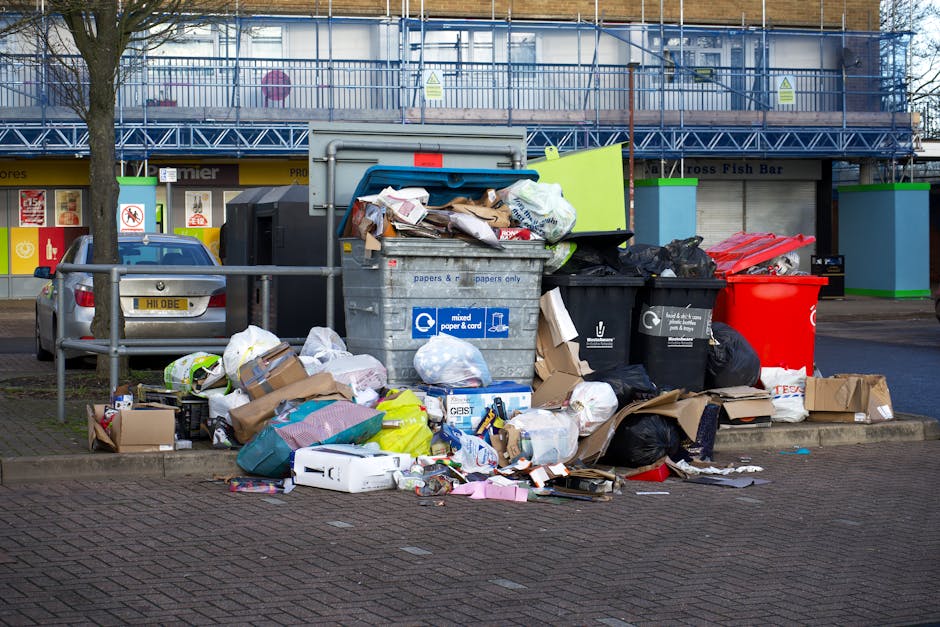
Waste and cleaning rules are not just a back-office nuisance. They shape how pleasant Catford streets look, how safe shared entrances feel, and how quickly a property can recover after a busy period, a tenancy change, or a refurbishment. If rubbish is left out incorrectly, bins overflow, or cleaning waste is dumped where it should not be, the result is usually immediate: odours, pests, complaints from neighbours, and extra work for everyone involved.
For homeowners, the impact is practical. A missed bin day can turn into a cluster of black bags on the pavement. For landlords, it can affect end-of-tenancy handovers and deposit disputes. For businesses, poor waste handling can damage first impressions very quickly. Nobody wants customers stepping over loose packaging at the entrance or a damp smell in the lobby first thing on a Monday morning.
Catford has a mix of flats, terraces, estates, busy high-street premises, and homes that are in constant use. That mix makes local waste and cleaning discipline especially important. Shared bin stores, limited collection space, and high footfall mean sloppy habits show up fast. A calm, consistent system saves time and avoids that slightly chaotic feeling many people know too well.
Expert summary: The most effective approach is usually not complicated. Separate waste correctly, store it neatly, avoid overfilling bins, keep communal areas clear, and plan cleaning around collection days and property use rather than after problems pile up.
For readers who also need reliable ongoing home support, our domestic cleaning in Catford service can help maintain a consistent standard between deeper cleans and busy household routines.
How Lewisham Council rules for Catford waste and cleaning works
At a practical level, the system is built around a few simple principles: use the right containers, present waste correctly for collection, separate recyclables, and dispose of items in approved ways. That sounds straightforward, and mostly it is. The complications appear when a property generates more waste than usual, such as after moving house, decorating, clearing out storage, or doing a one-off deep clean.
Think about the difference between a normal week and a spring clean. A normal week creates everyday food waste, packaging, and general rubbish. A big clean can produce broken items, textiles, old paperwork, cleaning cloths, and sometimes sharp or heavy waste. Each of those needs a bit of thought. You cannot just treat everything as one pile and hope for the best. Well, you can, but it usually ends badly.
In Catford, the best way to stay compliant is to work from the property outward:
- Identify what type of waste you have.
- Separate reusable, recyclable, and general waste.
- Store waste securely so it does not spill, smell, or attract pests.
- Use the proper collection method for bulky or special items.
- Keep communal areas, pavements, and front gardens clear.
Cleaning sits alongside waste management rather than replacing it. A tidy bin store is not a substitute for a proper clean, and a spotless kitchen is not much use if food waste is sitting in the hallway. The two go hand in hand, especially in flats, HMOs, and shared premises.
If you are planning a more intensive reset, it can help to combine waste clear-out planning with a proper deep clean. That is often where deep cleaning Catford support becomes useful, particularly after building work, long absences, or a clutter-heavy move.
Key benefits and practical advantages
Following the rules properly gives you more than just compliance. It creates a calmer day-to-day routine and saves a surprising amount of effort later on. Here are the main wins.
- Cleaner kerb appeal: Properties look better when bins are managed neatly and cleaning waste is removed correctly.
- Fewer complaints: Neighbours and residents are less likely to report smells, spillages, or fly-tipping risks.
- Better hygiene: Proper waste handling helps reduce pests, staining, and cross-contamination.
- Smoother tenancy changes: Landlords and tenants can hand properties back with less conflict.
- Safer shared areas: Hallways, bin stores, and access routes stay easier to use.
- More efficient cleaning: Cleaners can work faster when waste has already been sorted and removed.
There is also a business benefit that gets overlooked. Clean, well-managed premises feel more trustworthy. Customers, clients, and visitors notice small details-sometimes unconsciously, sometimes not. A tidy entrance, clean bins, and no lingering rubbish smell do more for confidence than many people realise.
And if you are weighing up ongoing help versus occasional help, the right balance can make a big difference. For example, a busy household may only need one-off support before a family event, while a landlord may need a routine end-of-tenancy clean after every move. That sort of planning is easier when you already know your local obligations and collection rhythm.
Who this is for and when it makes sense
This topic matters to more people than you might think. It is not just for people who have a full skip on the driveway or a problem tenancy. In Catford, it comes up in ordinary situations all the time.
- Homeowners: When you are decluttering, clearing the garden, or preparing for guests.
- Tenants: When you need to hand back a property in good condition and avoid deductions.
- Landlords and letting agents: When a property needs to be ready for re-let quickly.
- Businesses: When office waste, packaging, and cleaning refuse need regular control.
- Flat residents: When bin stores, shared hallways, and collection areas need order.
- People moving home: When moving day leaves behind more waste than expected.
It also makes sense if you are trying to save money. That sounds obvious, but people often miss it. Good waste handling reduces avoidable cleaning time, and a clear plan stops you paying twice for the same mess. For instance, if old items are removed before a deep clean, the cleaner can focus on the surfaces rather than working around clutter.
If you are selling or letting a property, this becomes even more important. A clean, uncluttered home photographs better and feels easier to view. Our article on selling your home in Catford explores that handover stage in more detail, and it is closely tied to how waste and cleaning are handled beforehand.
Step-by-step guidance
If you want a simple way to approach Catford waste and cleaning without overthinking it, use this process. It works for homes, rentals, and many small business settings.
- Walk the property first. Look for obvious rubbish, full bins, food waste, damaged packaging, cleaning residues, and hidden clutter behind furniture or under sinks.
- Separate the waste properly. Put recyclables, general waste, and bulky items into separate groups. Keep sharp, wet, or contaminated waste apart.
- Check what needs special handling. Mattresses, broken furniture, electrical items, and some renovation waste usually need a different route from everyday rubbish.
- Clear access routes. Make sure hallways, exits, stairwells, and shared entrances are safe and not blocked.
- Clean from top to bottom. Dust first, then wipe surfaces, then deal with floors. If you mop too early, you will just chase dirt around. Been there, regrettably.
- Dispose of waste on time. Don't leave bags outside for longer than necessary. If collection timing is tight, store waste securely and neatly.
- Finish with a final inspection. Check for smells, spillages, missed corners, and anything that could become a complaint later.
For a household reset, this often pairs well with a structured seasonal refresh. If that is what you need, spring cleaning Catford services can be a sensible option when the place needs a proper once-over rather than a quick tidy.
For people with a one-time job rather than an ongoing contract, a one-off cleaning Catford visit can be the cleanest fit. One and done. Nice and simple.
Expert tips for better results
A few small habits make a big difference. Honestly, they are the sort of things that feel minor until you skip them.
- Label storage boxes while decluttering. It prevents the same item being handled three times.
- Use lined caddies or bags for bathroom and kitchen waste. It cuts mess during removal.
- Keep a separate pile for donation or reuse. Not everything needs to become rubbish.
- Schedule the worst jobs before the clean. Old clutter, broken furniture, and rubbish bags are easier to remove before surfaces are polished.
- Do the smelly items last. Food waste, damp cloths, and bin areas can make a whole property feel worse than it is.
- Ventilate as you go. A bit of fresh air helps more than most people expect, especially after a stuffy winter shut-in.
There is also a property-specific tip that matters in Catford: if you live in a flat or manage a building, watch the communal areas. A perfectly cleaned flat can still be let down by a grimy stair rail or a bin store that smells faintly of old takeaway containers. It is the surrounding environment that often decides how clean a place feels.
If you want a broader package of household support, the house cleaning Catford option is often a better fit than trying to coordinate several ad hoc jobs separately.
Common mistakes to avoid
Most problems are preventable. The trouble is, they are easy to repeat because they seem harmless in the moment.
- Leaving waste out too early. It can attract pests or create a nuisance for neighbours.
- Mixing all rubbish together. That makes disposal harder and can create avoidable mess.
- Forgetting hidden spots. Under appliances, behind radiators, inside cupboards, and around bin stores often get missed.
- Using cleaning as a substitute for waste disposal. Cleaning improves hygiene, but it does not remove clutter or bulky waste.
- Ignoring communal rules. Shared buildings usually have extra expectations about access, noise, storage, and presentation.
- Waiting until the last minute. That is how good intentions turn into rushed, expensive fixes.
Another common mistake is assuming a property only needs a light clean because it looks okay at first glance. Then you open the fridge, lift the bin lid, or pull out the sofa. Suddenly the mood changes. Quite a lot. If in doubt, inspect more closely than you think you need to.
For practical detail on avoiding vague add-ons and nasty surprises, our guide on avoiding hidden cleaning charges in Catford is worth a look before booking any bigger job.
Tools, resources and recommendations
You do not need fancy equipment, but the right basics save time and make the work safer. A solid waste-and-cleaning setup usually includes:
- heavy-duty rubbish bags;
- recyclable liners where appropriate;
- microfibre cloths;
- a broom and dustpan;
- a mop and bucket or flat mop system;
- rubber gloves;
- an all-purpose cleaner suitable for the surface;
- a deodorising or sanitising product used correctly;
- storage boxes for sorting keep, donate, recycle, and dispose items.
For larger clean-ups, it can help to work in layers: remove rubbish first, then tackle surfaces, then floors, then details such as skirting boards and handles. That way you are not cleaning around the same pile twice.
On the service side, readers often find it useful to compare services overview, especially when deciding whether they need regular help, a targeted clean, or a deeper reset. If upholstery, floors, or soft furnishings are part of the picture, the right specialist service can save effort and improve the final result.
For example, carpets absorb dust and odour faster than hard floors. Soft seating holds onto day-to-day grime in a way that can be easy to miss. If you are dealing with a property that feels clean but still does not smell or look quite right, those hidden fabrics may be the reason.
Law, compliance, standards, and best practice
When people ask about Council rules, they usually mean two things at once: what Lewisham expects in practice, and what broader UK obligations exist around waste, cleanliness, and safe disposal. The exact details can vary by property type, location, and waste stream, so it is always wise to check current local guidance before acting on a large clean-out.
As a general best practice in the UK, you should avoid:
- placing waste where it blocks pavements or access routes;
- dumping rubbish informally or leaving bulky items outside without proper arrangement;
- mixing hazardous items with ordinary household rubbish;
- allowing waste to create a pest, odour, or health problem;
- ignoring storage, fire safety, or hygiene concerns in shared buildings.
For landlords, agents, and businesses, there is usually a higher expectation around cleanliness, routine upkeep, and safe presentation of waste areas. Even where a problem is not dramatic, poor housekeeping can create a dispute or complaint quickly. In a block of flats, for instance, a small leak from a waste bag can cause a smell that spreads through the whole stairwell. Not ideal, to put it mildly.
Good practice is simple: sort waste early, store it securely, keep shared areas clear, and choose cleaning methods that fit the property and the waste involved. If you are not sure whether an item counts as general waste, recycling, or something needing special handling, it is safer to pause and check before putting it out.
Options, methods, and comparison table
Different situations call for different approaches. Here is a practical comparison to help you choose the right level of action.
| Method | Best for | Strengths | Limitations |
|---|---|---|---|
| Routine household waste control | Everyday homes and flats | Simple, low-cost, easy to maintain | Not enough for clutter, deep dirt, or large clear-outs |
| One-off cleaning after sorting waste | Moves, parties, spring cleans, guest prep | Fast reset, flexible, good for occasional need | May not cover ongoing upkeep |
| Deep cleaning with waste removal prep | Post-renovation, long gaps, neglected rooms | More thorough, better for hidden grime and odour | Takes planning; waste should be cleared first |
| Ongoing domestic cleaning | Busy households and shared routines | Keeps standards steady, reduces build-up | Less suitable if the property needs major decluttering first |
| End-of-tenancy clean | Rentals and handovers | Focused on presentation and return condition | Works best when rubbish and personal items are already removed |
If you are in the middle of a move, the smartest route is usually to clear waste first, then clean. That order feels obvious afterwards, but under time pressure people often do it the other way round and make life harder for themselves.
For tenancy handovers in particular, a dedicated end of tenancy cleaning Catford service can be a cleaner fit than a general tidy-up, especially when deposit expectations are involved.
Case study or real-world example
A Catford flat above a busy parade of shops had become one of those places where every surface looked almost clean, but nothing quite felt fresh. The tenants had done regular surface cleaning, yet two things were causing the problem: a bin store that was being overfilled, and a pile of mixed items left in a spare room after a long-overdue clear-out.
The fix was not dramatic. First, the rubbish and unwanted items were separated into keep, recycle, and dispose piles. Second, the bin area was emptied and reset properly. Third, a deep clean tackled the kitchen grease, bathroom limescale, and soft furnishings that had absorbed odour over time. The whole place took on a different feel by the next afternoon-lighter, cleaner, easier to live in.
What mattered most was the order of operations. Once the waste was sorted properly, the cleaning actually worked. Before that, it was just moving the mess around. That's the bit people miss.
If you are dealing with a similar situation and want a straightforward next step, a service like carpet cleaning Catford or upholstery cleaning Catford can help remove the stubborn part of the problem once clutter has gone.
Practical checklist
Use this quick checklist before and after a waste or cleaning job in Catford:
- Have all general waste, recycling, and bulky items been separated?
- Are bags sealed and stored securely?
- Is the bin area clear, accessible, and not overflowing?
- Have sharps, broken glass, or contaminated items been handled safely?
- Are hallways, exits, and shared areas free from obstruction?
- Have you cleaned the property from top to bottom in the right order?
- Have smells, spills, and hidden spots been checked properly?
- Is any specialist cleaning still needed for carpets, upholstery, or hard-to-reach areas?
- Have you planned for the next collection or routine maintenance task?
- Is the property now ready for the next use, tenant, guest, or customer?
If you can tick most of those off without hesitation, you are in good shape. If not, there is probably one extra job left-and it is usually the one that saves you trouble later.
Conclusion
Lewisham Council rules for Catford waste and cleaning are really about keeping everyday life workable. When waste is sorted properly and cleaning is planned in the right order, homes look better, shared areas stay calmer, and bigger jobs become easier to manage. That is true for families, landlords, tenants, and businesses alike.
The main thing is not perfection. It is consistency. A little organisation before the mess spreads goes a long way. And if the job has already grown into something bigger than you wanted, there is no shame in bringing in help. That is often the sensible move, not the dramatic one.
For practical support, flexible scheduling, and a cleaner finish in Catford, you can explore requesting a quote or browse the latest blog updates for more local cleaning guidance. Get a free quote today and see how much you can save.
Sometimes a tidy home is just one good decision away. Small steps, done well, add up.